
250 kW / 514 kWh Battery Energy Storage System for Business. Backup Power
An industrial solution for storing, backing up, and managing electricity at your facility. The 250 kW BESS with a nominal capacity of 514 kWh provides backup power for critical loads of up to 250 kW and keeps the facility operating during grid outages. The system is built around two liquid-cooled Sungrow ST255CS-2H units with centralized control via EMS.
- 250 kW power / 514 kWh capacity
- Switches to backup power in 10 ms
- Liquid cooling and centralized EMS control
250 kW / 514 kWh BESS — an Industrial Solution for Business
The 250 kW BESS with a nominal capacity of 514 kWh is designed to provide backup power for facilities with significant critical loads. The usable battery capacity is 462.6 kWh at a permitted depth of discharge of 90%.
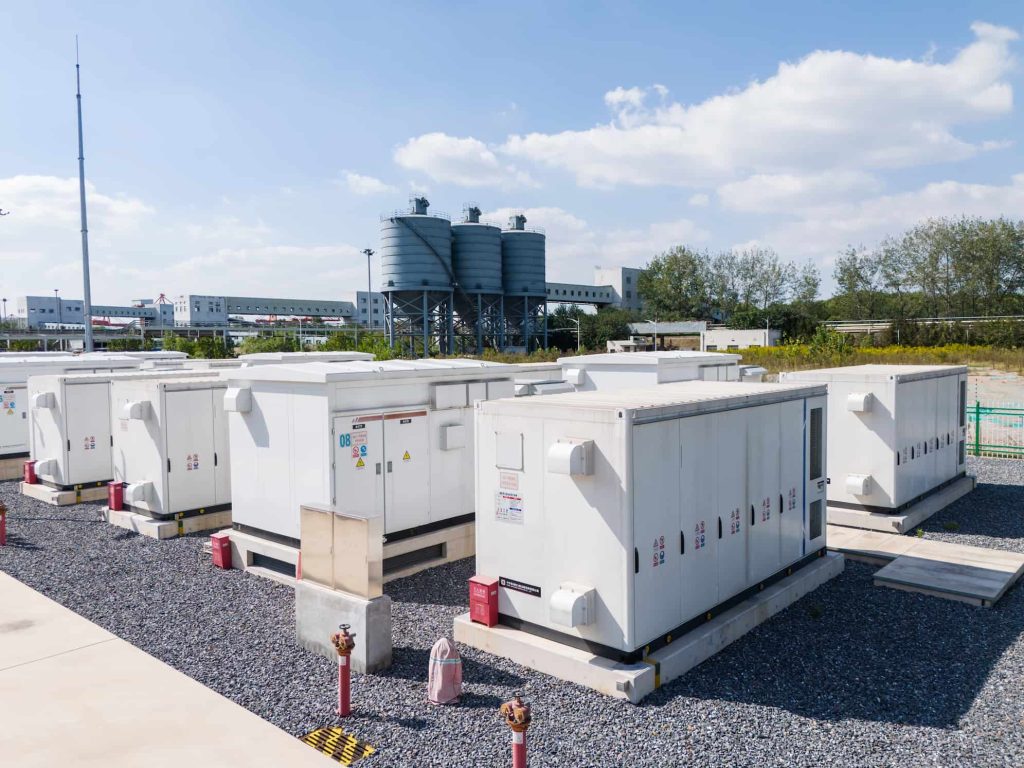
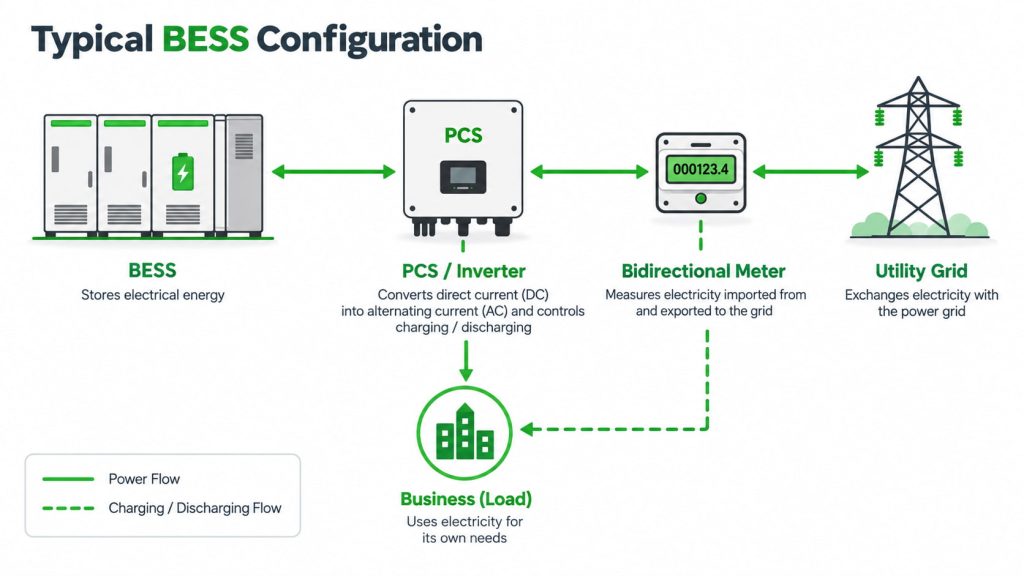
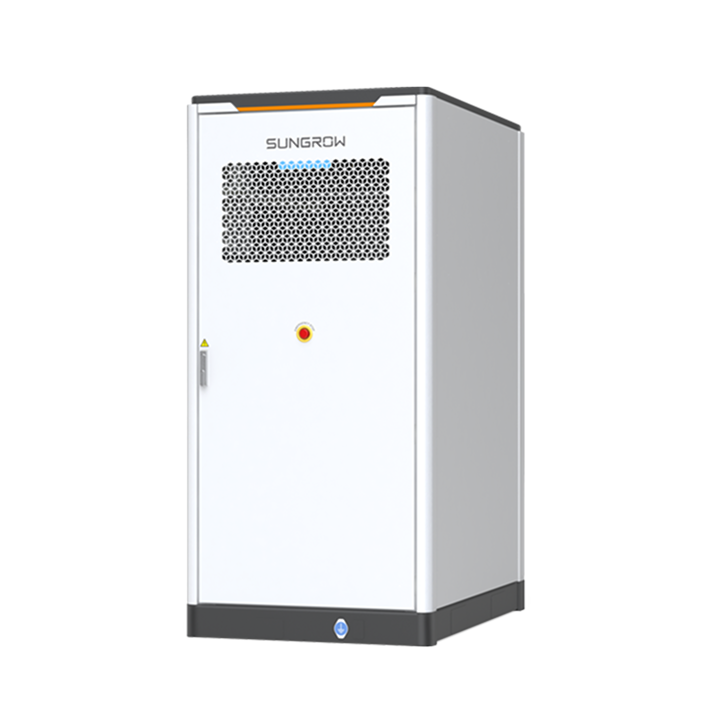
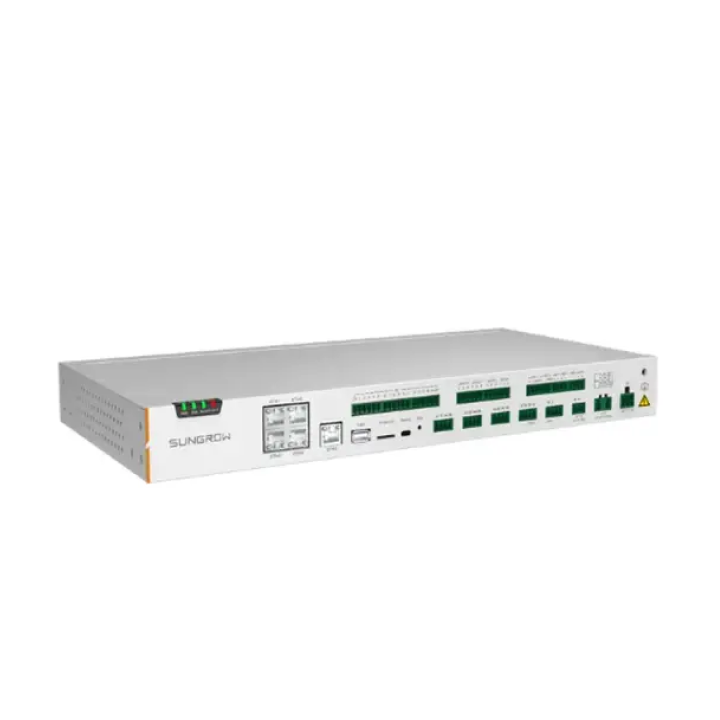
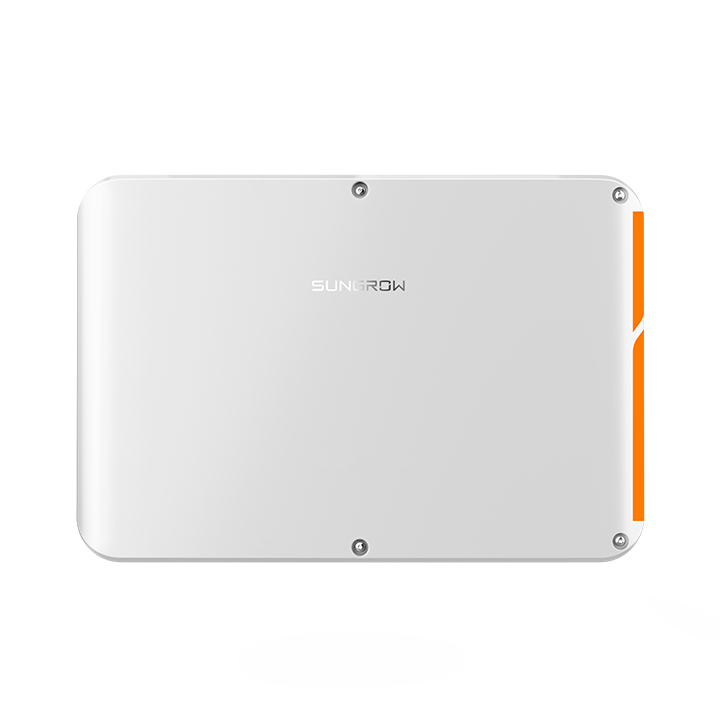
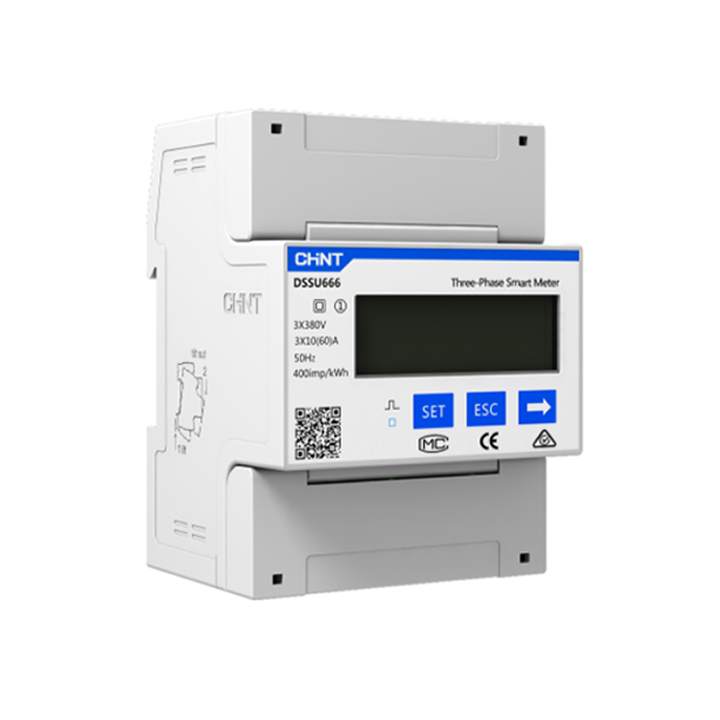
The system is built around two liquid-cooled Sungrow ST255CS-2H units rated at 125 kW each. A Sungrow EMS manages energy flows, while a COM100D-EU Logger communication module and three-phase CHINT DTSU666 meters handle data collection and transmission.
Specifications
250 kW
514 kWh
462.6 kWh
LiFePO4
Liquid cooling
Three-phase
5 years on the inverter and batteries
Estimated BESS Cost
BESS 250 kW / 514 kWh
Industrial backup power solution for business
*The final cost is confirmed after a site visit and completion of the design work.
How a BESS Helps Reduce Energy Costs
The economic effect of an industrial BESS depends on the facility’s load profile, operating mode, and system use case. A BESS can keep critical processes running during grid outages and use stored energy during periods of higher demand. The exact financial effect is calculated individually for each facility.
In the event of a grid outage, the BESS keeps critical loads running and helps reduce business losses caused by downtime.
The economic effect depends on the duration of outages and the cost of downtime for production processes.
The BESS stores energy and makes it available during other load periods, reducing the facility’s dependence on the grid during periods of higher demand.
The actual economic effect depends on the load profile, charging source, and the facility’s electricity tariff structure.
Economic Impact of the BESS
Calculated individually
operating mode and load profile
For an industrial BESS, the economic effect can come from backing up critical processes, reducing losses caused by downtime, and managing energy consumption over time. The exact payback period is determined after analyzing the facility’s load profile, operating mode, and system use case.
250 kW / 514 kWh BESS — for Industrial and Commercial Facilities
This energy storage system is designed for facilities with significant critical loads, where power outages can interrupt production processes, cause product losses, or lead to equipment downtime. The system can back up loads of up to 250 kW and use stored energy during other operating periods.
Suitable for:

Suitable for backing up automated warehouse systems, lighting, server infrastructure, conveyors, and other critical equipment at large logistics facilities.

Can provide backup power for grain elevators, storage facilities, ventilation and drying systems, pumps, and other process equipment that is sensitive to grid outages.

A BESS helps keep critical production lines, automation, control systems, and other equipment running during power outages.

A BESS can keep refrigeration units, temperature control systems, automation, and process equipment running where a power outage could result in product spoilage.

Suitable for backing up refrigeration equipment, ventilation and air-conditioning systems, POS infrastructure, lighting, servers, and automation at large commercial facilities.

Can be used to provide backup power for servers, telecommunications equipment, pumping systems, automation, and other critical loads with a combined demand of up to 250 kW.
What’s Included in the BESS Package
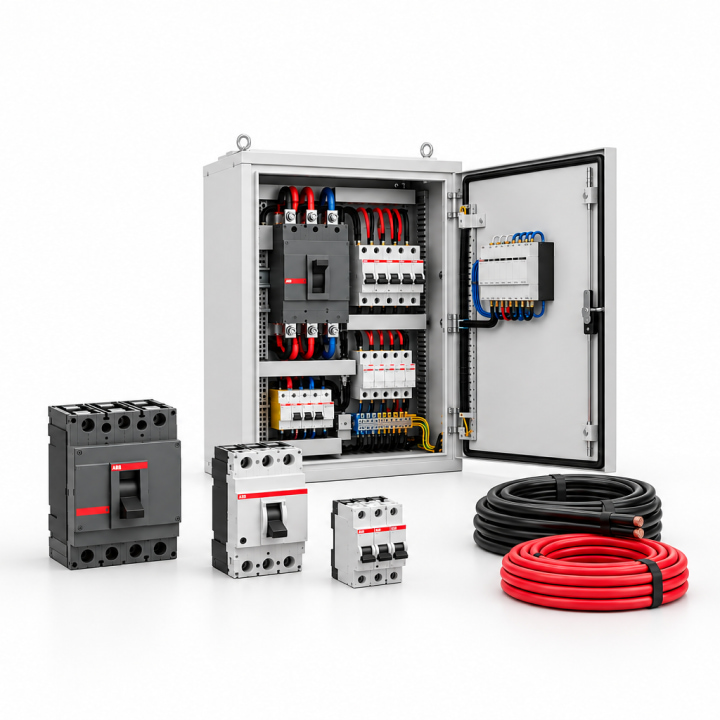
The 250 kW / 514 kWh industrial battery energy storage system consists of two integrated Sungrow ST255CS-2H units, a centralized EMS, metering and communication equipment, and the required protection and switching equipment. The system is designed to handle high loads and provide centralized energy flow management.
Warranties
5 years (manufacturer’s performance warranty — 10 years)
5 years
2 years
From Site Audit to BESS Commissioning
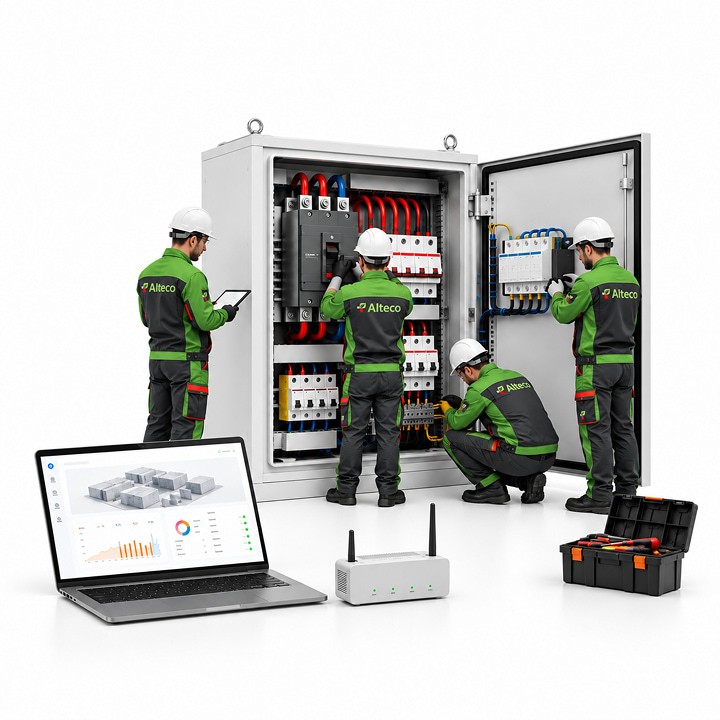
Alteco manages the project from site analysis and system configuration to installation, setup, and BESS commissioning. A single contractor is responsible for equipment compatibility and proper system operation.
What we do:
• Analyze the facility’s load profile
• Identify critical loads and the required backup power
• Analyze the grid connection
• Define BESS operating scenarios and integration with the solar PV system
• Develop a preliminary system configuration
What you get:
A preliminary technical assessment and an initial BESS configuration concept for your facility.
What we do:
• Confirm the required system power and capacity
• Develop the BESS and auxiliary equipment configuration
• Define the required EMS, metering, communication, and protection equipment
• Assess the system use cases
• Prepare a technical and commercial proposal
What you get:
A complete proposal with the system configuration, equipment list, cost, and scope of work.
What we do:
• Develop BESS electrical diagrams
• Finalize the additional materials required
• Plan the connection to the facility’s electrical grid
• Define protection, grounding, and equipment installation locations
• Develop the implementation plan
What you get:
A completed technical design and an implementation plan for the BESS.
What we do:
• Deliver the equipment to the site
• Install two Sungrow ST255CS-2H systems
• Install the Sungrow EMS, Logger, and metering system
• Complete power connections, protection, and grounding
• Integrate the BESS into the facility’s electrical grid
What you get:
An installed and connected system ready for commissioning.
What we do:
• Check the installation of the battery and power sections
• Configure the BMS and EMS
• Test charging and discharging modes
• Test backup power operation
• Synchronize the BESS with the grid and solar PV system
• Check monitoring and data transmission
What you get:
A fully configured and tested industrial BESS, ready for normal operation.


